Five buyer contexts
The same component is a different requirement in different hands.
A seatbelt enquiry from a workshop with the vehicle on the ramp, and one from a distributor quoting a customer three time zones away, may name the same part — but they need different things settled before anyone can proceed. This page sets out what each context should lead with.
- Passenger vehicles
- One vehicle, one seating position, high identification certainty.
- Commercial & fleet
- Repeatability and consistency matter as much as the part.
- Workshops & replacement
- Speed of identification from what is physically in front of you.
Context 01
Passenger Vehicles
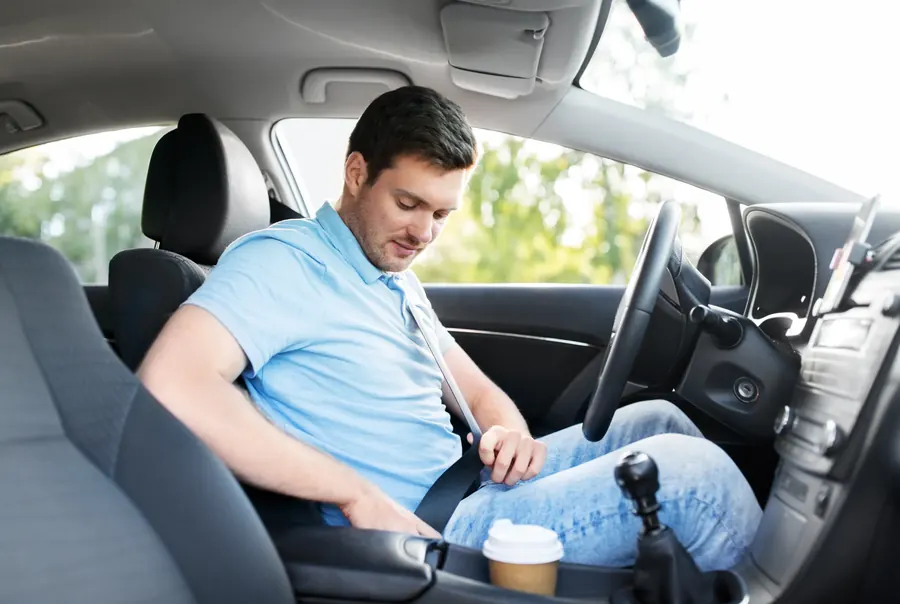
Cars, hatchbacks, sedans and SUVs. This is the most common context and, in principle, the most straightforward: one vehicle, one seating position, one part. The difficulty is rarely complexity — it is that the details which distinguish one variant from another are the ones most easily left out.
Trim level, market of original sale and production year all influence which belt assembly a given vehicle carries. Two cars that look identical in a car park can differ in retractor design, stalk length or connector type. When a passenger vehicle enquiry stalls, it is almost always one of these three.
Lead with
- Make, model, production year and variant or trim where you know it.
- The exact seating position — row, side and whether outboard or centre.
- Whether the belt side, the buckle side or a complete set is required.
- Photographs of the existing part in place, including its mounting points.
- Typical enquirer
- A business, workshop or individual buyer sourcing for one identified vehicle.
- Usual quantity
- One to four pieces.
- What slows it down
- Model year and variant left unstated when the vehicle is known.
Context 02
Commercial Vehicles
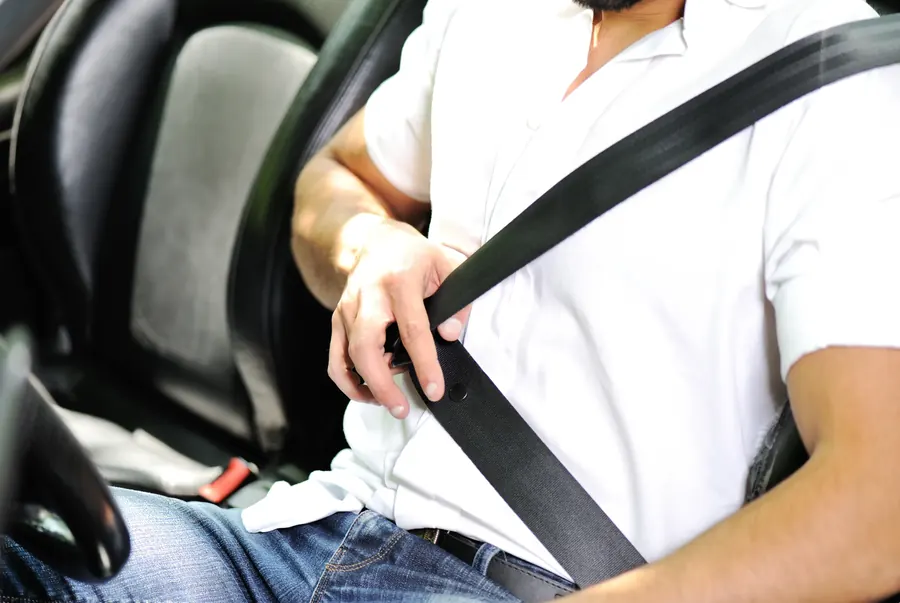
Vans, light trucks, buses, tippers and utility vehicles. Commercial seating layouts diverge from passenger cars in ways that matter to a seatbelt requirement: bench seating in the cab, more centre positions, higher seat mounting points and, frequently, belts anchored into the seat frame rather than the vehicle body.
Duty cycle is the other difference. A commercial vehicle’s belts are fastened and released many more times per day than a private car’s, which is why wear tends to appear at the buckle and retractor before it appears anywhere else. Enquiries in this context are more often about a specific failing component than about a complete assembly.
Lead with
- The vehicle type and body configuration, not just the chassis make and model.
- The cab seating layout — individual seats or bench, and how many positions.
- Whether the belt anchors to the seat frame or to the vehicle body.
- Which specific component the requirement concerns, if it is not the whole assembly.
- Typical enquirer
- Operators, body builders, service centres and commercial vehicle distributors.
- Usual quantity
- Single pieces through to batch requirements across several vehicles.
- What slows it down
- Cab layout unstated — bench and individual-seat arrangements need different parts.
Context 03
Fleet Requirements
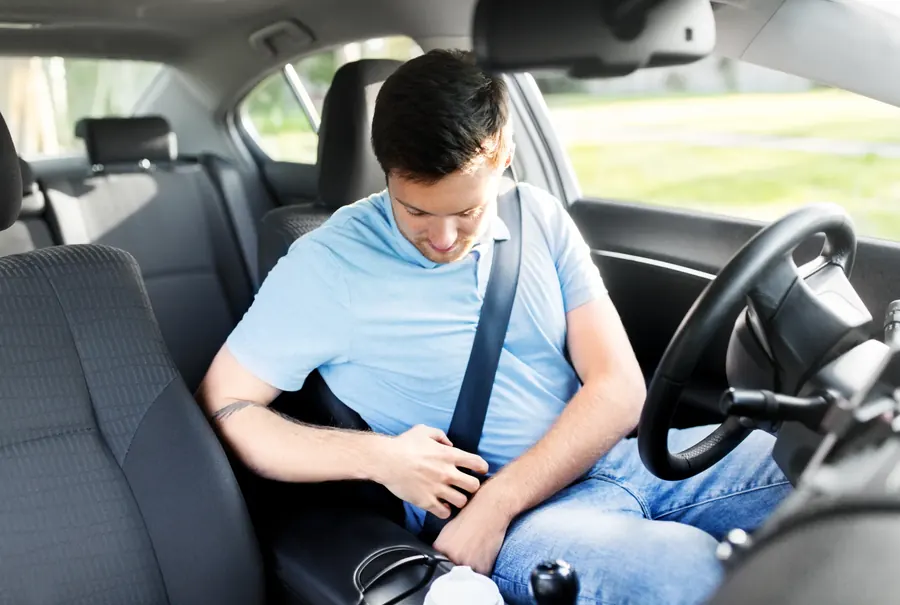
Requirements that span a group of vehicles rather than one. Taxi and ride-hire fleets, corporate pools, rental operations, logistics fleets and institutional transport all fall here. The part itself may be ordinary; what changes is that consistency across the group matters as much as correctness on any single unit.
Fleet enquiries benefit enormously from being structured as a schedule rather than a paragraph. A short list — vehicle, year, position, quantity — is worth several rounds of correspondence, because it makes visible immediately where a fleet is uniform and where it is not. Most fleets described as identical turn out to span two or three variants.
Lead with
- A line-by-line schedule of vehicles, model years and the positions involved.
- Total quantity, and whether it is required in one delivery or phased.
- Whether this is a one-time requirement or expected to recur.
- Any internal standard your organisation applies to replacement parts.
Practical tip
Where a fleet spans several model years, send photographs from the oldest and newest vehicles in the group. If those two match, the middle almost always does. If they do not, you have found the split before it becomes a supply problem.
Context 04
Workshops & Service Centres
The one context where the vehicle is physically present and the ramp time is already being paid for. Everything here is about turning what is in front of you into an identification quickly — which means the information advantage is entirely yours.
01
You can photograph everything
The vehicle is there. Photograph the part from three angles, the mounting points, the label on the webbing and anything moulded into the housing. This is the single biggest advantage a workshop enquiry has, and it is frequently unused.
02
You can read the vehicle
Exact model year, variant, market of original sale and any prior work visible on the vehicle. Details a remote buyer would have to guess at are directly readable to you.
03
You know what failed
Whether the retractor is not retracting, the buckle is not releasing cleanly, or the webbing shows visible damage. Naming the symptom often identifies the component faster than describing the part.
What a workshop enquiry should contain
- Registration-independent vehicle details: make, model, year, variant.
- The seating position and side, stated physically rather than as “driver’s side”.
- Photographs from three angles plus one of any visible marking.
- Which component has failed and how it is failing.
- Whether the customer is waiting on the vehicle, and by when.
What stays with the workshop
Assessment, selection against the vehicle’s specification, installation and post-installation verification are professional judgements made at the workshop, by people qualified to make them and with the vehicle in front of them. Nothing on this website substitutes for that judgement, and no supplier is in a position to make it remotely.
What a supplier can do is make sure the part that arrives is the part that was described, and that anything uncertain in the requirement was raised before it shipped rather than after.
Context 05
Replacement Requirements
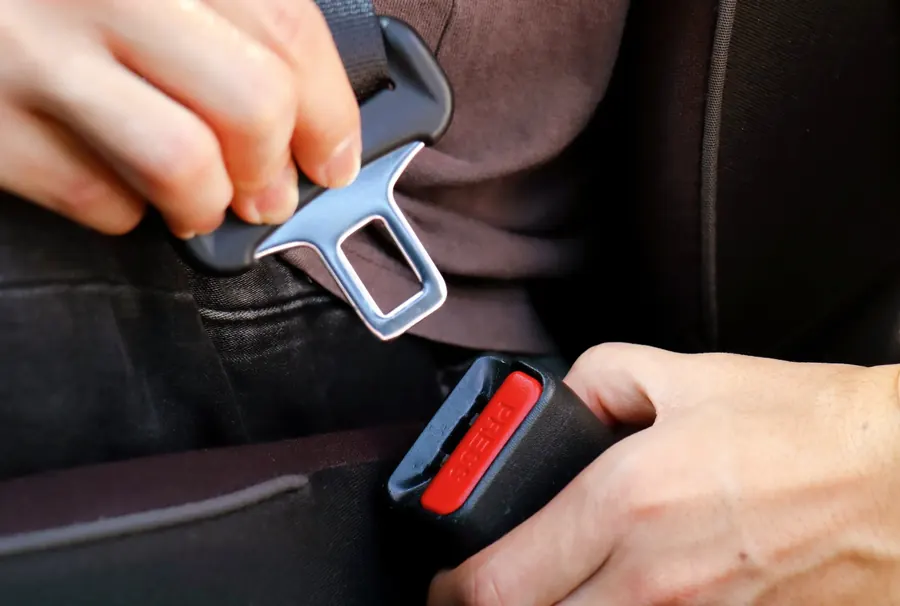
Enquiries where something already fitted needs to be replaced. This cuts across every other context on this page — a replacement can be for a passenger car, a bus or forty vehicles at once — but it has one characteristic the others do not: there is an existing part to work from.
That existing part is the most reliable identification tool available. Its markings, its geometry and the way it sits in the vehicle are direct evidence, where a description is inference. A replacement enquiry that includes photographs of what is currently fitted is almost always resolved faster than one that does not.
How to describe a replacement requirement
- What is currently fitted, photographed in place before anything is disturbed.
- Any markings on the existing part — photograph them rather than transcribing them.
- Why it is being replaced: wear, damage, a component not operating correctly, or age.
- Whether a like-for-like match is required, or whether an equivalent is acceptable to your customer.
- The vehicle, the seating position and the quantity involved.
An important boundary
Replacement of a restraint component is not a repair task. This website does not provide instructions for repairing, modifying, shortening, re-webbing or otherwise altering a seatbelt or any part of a restraint system, and does not advise on whether a particular component should be replaced. Those are assessments for a qualified automotive professional, made against the vehicle’s specification and the requirements applying in the market where it operates.
Next step
Tell us which context you are working in.
Naming the context in your first line — workshop, fleet, distributor, replacement — changes how the enquiry is read and what we ask you for next.